
Reading a Busy Stall from the Queue
Labels can be useless when you arrive mid-rush, but the queue never stops telling the truth. Learn what to watch while you wait: steam, refill speed, and the real serving order.
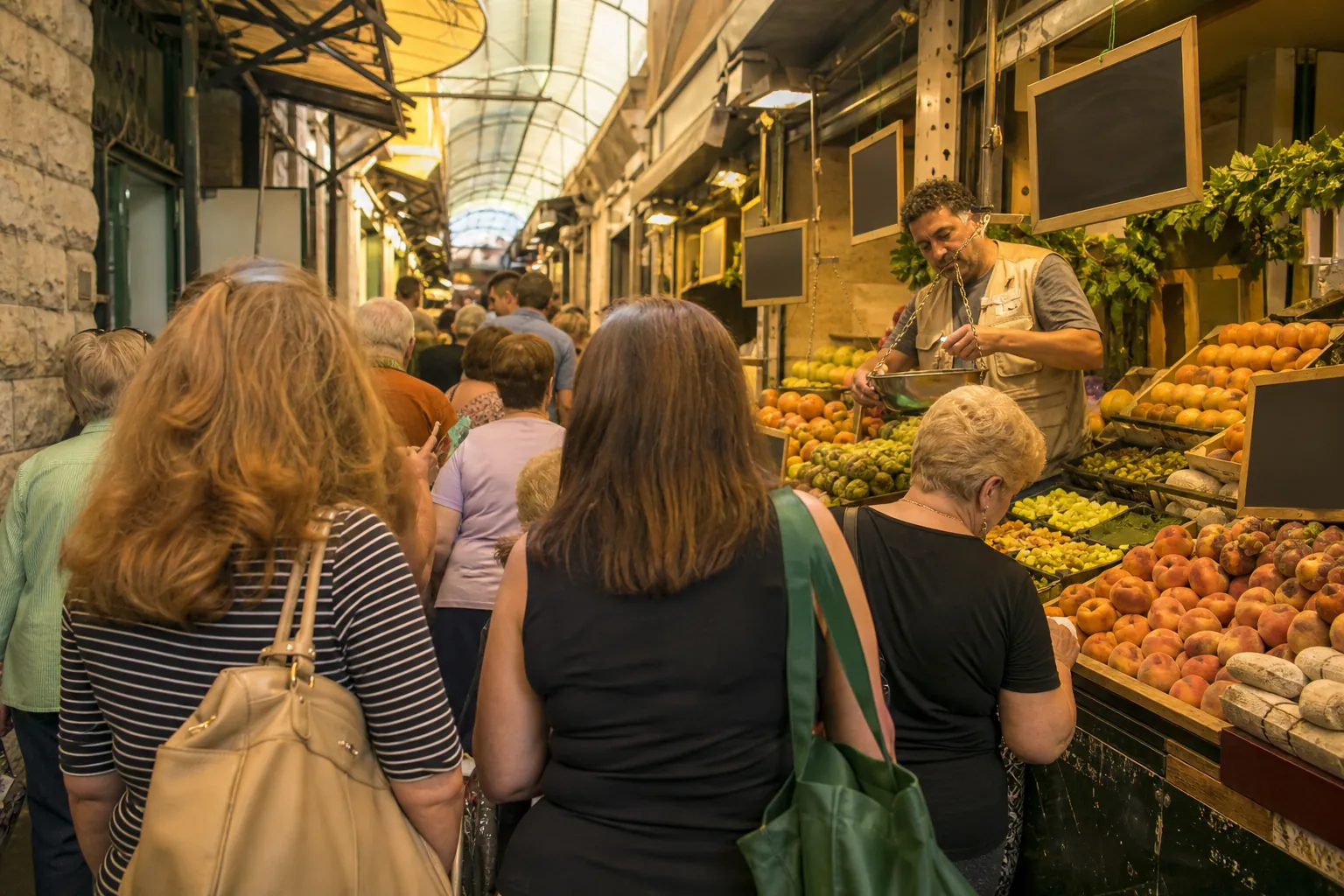
Treat the queue like information
When you cannot read the signs, your safest tool is observation. The people in front are not random; they respond to what is being served right now and what is about to be refilled.
A busy stall looks confusing because everything moves at once. The trick is to choose a single “signal” to track. Then you stay calm while your turn becomes predictable.
Three things to watch while you wait
Use these signals as a quick scan. You can do it even from the back of a short queue.
- Steam intensity: when it rises steadily, the item is in the serving window.
- Refill rhythm: do trays get swapped smoothly, or does the seller pause and reassemble?
- Serving order: who gets served next after the seller finishes the current customer.
If you want to choose confidently, stop chasing labels and start reading turnover—the pace at which the stall refreshes what it can actually serve.
A short plan for your first choice
Once you have picked a signal, your next job is to translate it into a simple move when the counter clears. This plan prevents the most common delay: freezing when the seller finally notices you.
- Pick one item that looks active (steam, movement, or frequent refilling).
- Decide your quantity in advance so your hand does not hover.
- Hold your place in line and keep your path out in mind.
- When the seller shifts attention, point once and relax your arm quickly.
- Step aside right after the seller starts packaging or weighing.
How to avoid blocking the seller’s reset
Busy stalls keep moving because the seller resets fast. If you linger at the counter after you point, you add a pause to the reset cycle. That is why the best “first choice” is the one you can finish without extra negotiation.
If you feel yourself hesitating, choose the item that is most consistent across the queue. When several customers order similar things in a short window, the stall is telling you what it can keep serving right now.
- Prefer the item with the clearest repeat in the line.
- Keep your pointing short and your step aside early.
- Let the stall’s pace decide whether you should switch plans.
Related Articles
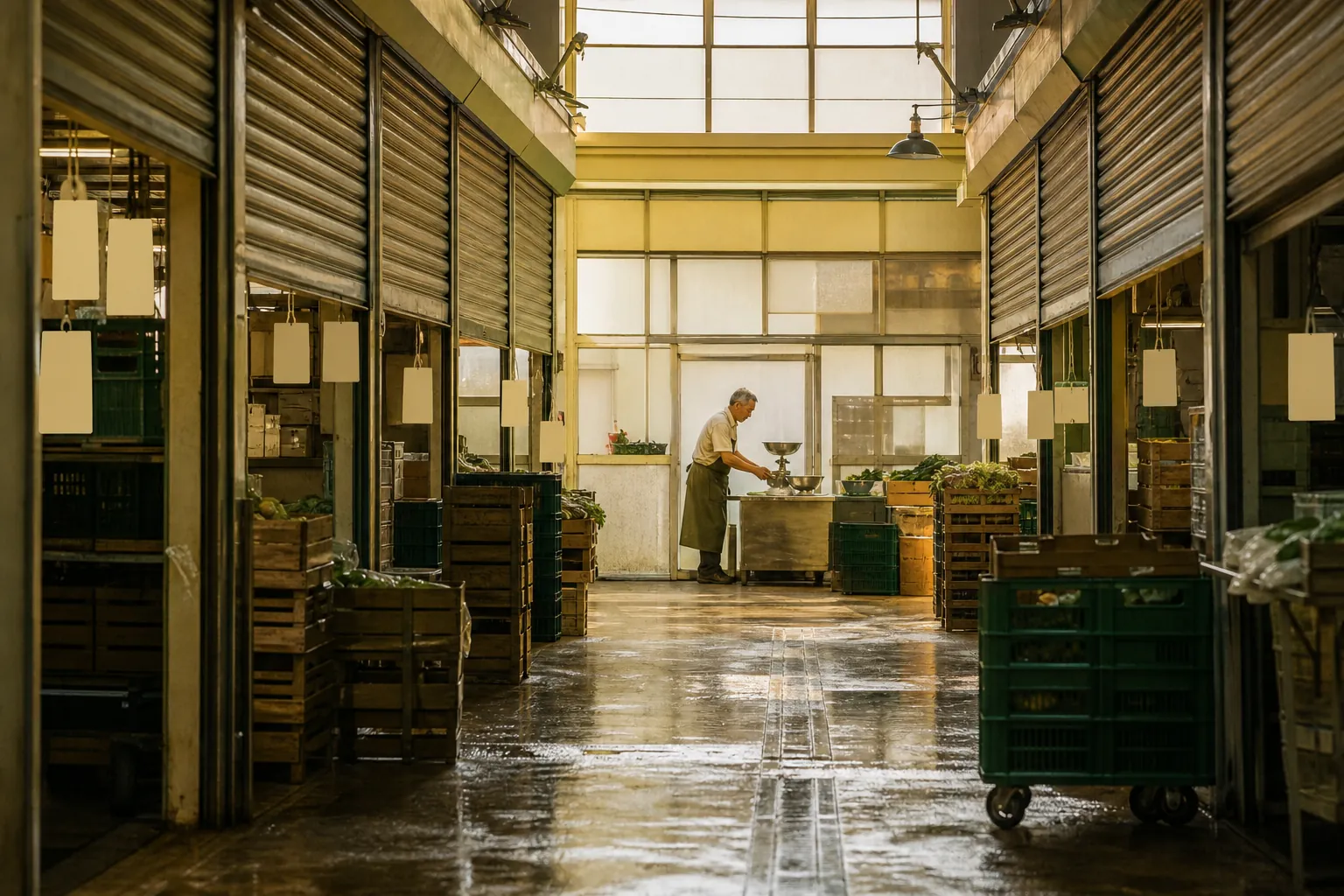
Choosing the Right Market for a First Visit
Not every hall suits a first attempt. This article compares noise, queue shape, and how forgiving a room is when you pause at the scale, so you can pick a gentler starting point.
Read Article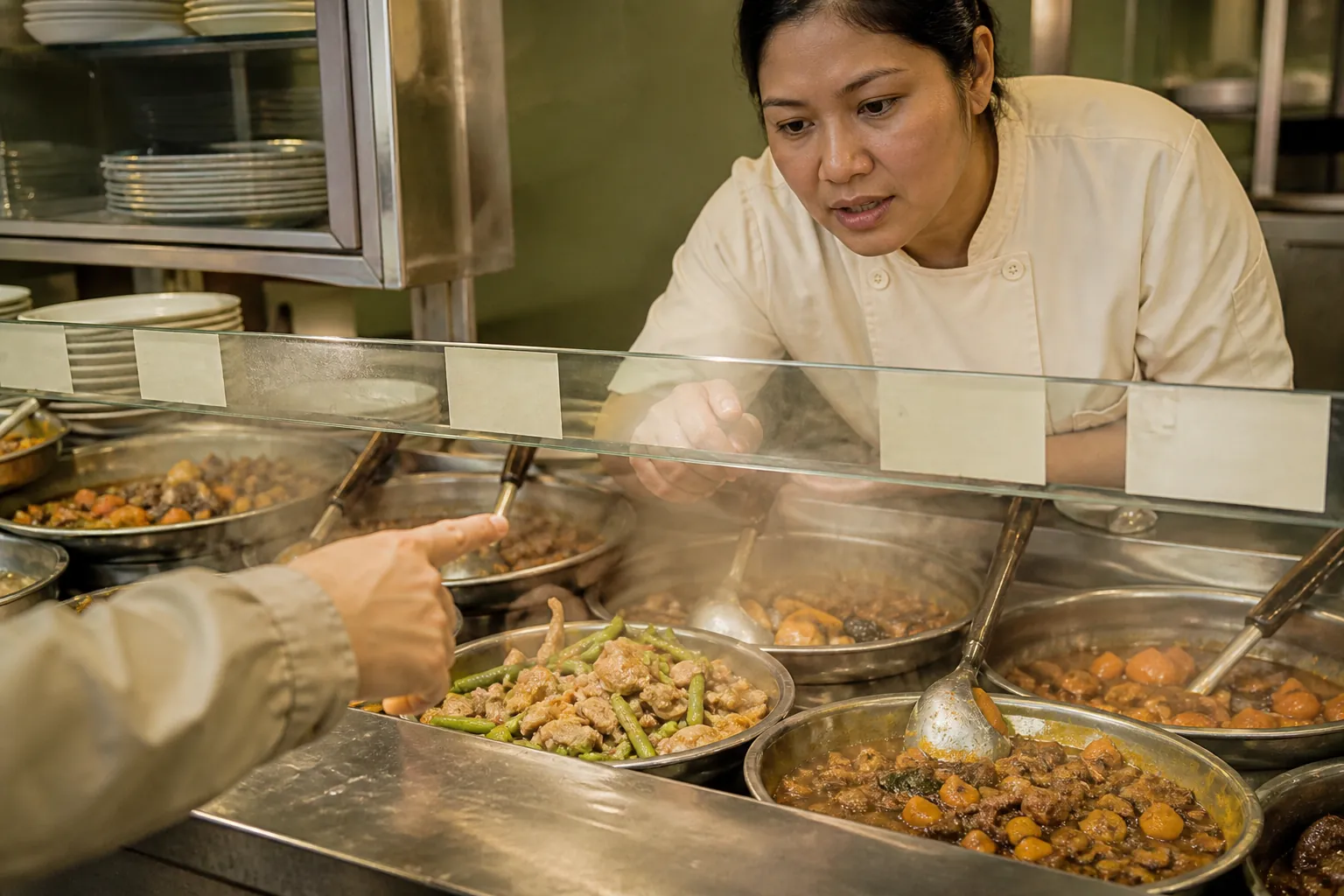
How to Point and Order Without a Shared Language
Pointing is normal in many halls, but timing matters. Learn when to gesture, when to hold up a number, and how to step aside without restarting the line behind you.
Read Article
What to Check Before Your First Visit
A short checklist for the night before: opening hour, which entrance neighbors use, whether the canteen shares a queue with grocery stalls, and what to leave in your bag.
Read ArticlePlease read before you travel
filibranch provides knowledge about visiting working markets and everyday eateries, and offers consultations on this part of a trip. The materials on this site are meant to help you understand how these places operate and how visitors can move through them with care.
We do not give advice on diet, allergies, or health. If you have questions about what you can eat, speak with a qualified professional. Conditions on the ground change between trips: opening hours, which rows are trading, and local requirements should be checked again directly before you go.
You decide how to travel. filibranch is not responsible for choices you make after reading these pages or after a consultation. Use the guides as preparation, then confirm details with people on site.