
Why this work exists
We write for the aisle, not the postcard
filibranch grew out of a simple frustration: guidebooks describe what a market sells, but rarely how people move through it when they came to buy lunch and go home.
Our consultants still enter working halls on every assignment. What you read here is the residue of those visits — order, timing, and the small gestures that keep a line moving.

How the project started and why this topic stayed
The idea for filibranch did not begin at a famous dining strip. It began at a covered hall where neighbors bought greens before work and ate standing at a shared table without treating the visit as an event. A colleague on assignment watched a visitor freeze at the scale, unsure whether to speak to the person weighing vegetables or the person packing bags. Nobody shouted instructions. The line simply bent around the hesitation.
That moment clarified the gap we wanted to close. Travel writing often treats markets as scenery. For the people inside them, they are infrastructure: groceries, a quick meal, and a rhythm learned early. We chose this topic because the knowledge is practical, rarely written down, and easy to get wrong without meaning any harm.
Early notes were shared with friends who traveled for work and hated feeling like they were performing tourism in someone else's shopping run. They did not need a list of dishes. They needed to know when to loop the hall, where trays appear, and how to step aside after paying. The response was consistent: calm preparation changed the visit more than any single recommendation.
filibranch formalized that exchange. We still refuse to frame these places as discoveries to collect. They are rooms with rules. Our role is to translate those rules for someone arriving once, then leave the hall to the people who return every week.
How we gather and check information before publishing
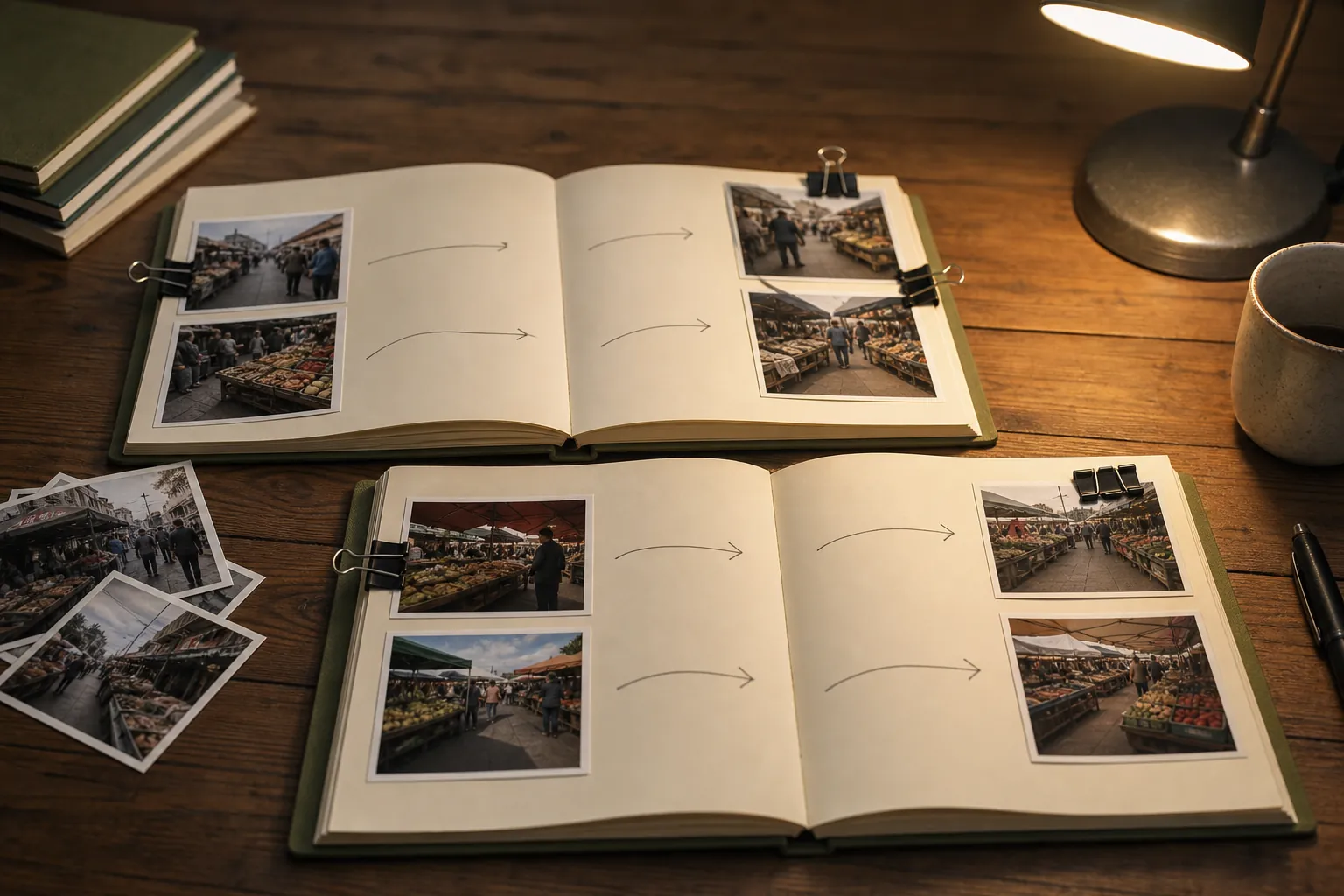
Every article and briefing begins on the floor, not in a template. A consultant walks the hall at least twice in one day — once near opening and once after the lunch rush — because the same address can change temperament within hours. We record sequence, not opinion: who is addressed first, where bags are placed, when payment happens, and what happens to trays afterward.
Before anything is published, a second reader compares the notes against a checklist of nine common steps visitors miss. Discrepancies send us back to the hall or to a partner organization that tracks opening patterns. We do not publish a single-visit snapshot unless we label it as provisional and follow up.
We also reject material that flatters the visitor. If a hall is loud, crowded, and short on seats, that belongs in the text. If a row closes on certain weekdays, we say so. Accuracy here means describing the friction honestly, because travelers prepare better when they are not surprised by ordinary conditions.
Health, diet, and safety claims stay outside our scope. When a topic touches food choices, we point readers toward qualified professionals and keep to behavior: where to stand, how to ask, when to wait.
From your first message to a visit plan
Consultations are structured so you know what to expect before you pack a bag. Nothing here promises a platform or automated tool — you receive a human briefing built from field work.
-
You describe the visit you have in mind
Tell us whether this is a first hall visit, how you handle noise and standing, and whether language support will be limited. We ask about timing preferences, not dishes you hope to find. That helps us choose a format — covered hall, street row, or canteen — that matches your comfort rather than a postcard image.
-
We map the sequence for that format
A consultant selects a comparable hall from recent field notes and builds a walking order: where to enter, when to loop, whom to address, and where eating usually happens when seats are gone. If your trip includes more than one stop, we rank them by difficulty so you can start with the gentler room.
-
You receive a briefing call or written plan
We walk through the sequence in plain language and leave space for questions about gestures, cameras, and payment timing. The plan includes what to watch for on arrival and what to do if the hall is fuller than expected. We also note when to leave, because overstaying the lunch crush helps nobody behind you.
-
After your trip, we update what changed
Stalls move, rows rest, and payment habits shift. If you send a short note about what differed on the ground, we fold that into our notes so the next traveler benefits. This feedback loop is part of how filibranch stays useful without pretending halls are frozen in time.
Visitor ethics in a room that was not built for you
You are a guest only in the thinnest sense. The hall belongs to the people buying dinner for tonight.
That sentence guides how we advise travelers. A working market rewards attention, not performance. Speak quietly in line. Do not block a scale while photographing produce. If a seller is serving three people at once, wait for a pause instead of inserting a long question. Treat every gesture as something you are borrowing.
We also caution against treating staff as interpreters for your entire trip. A person at the counter is not there to plan your day. Ask what you need for the transaction in front of you, pay, and move on. When language fails, pointing and numbers are acceptable; lengthy negotiation at the head of a queue is not.
Photography follows the same rule. Ask when faces, cash boxes, or scales are involved. Accept a refusal without debate. The goal is to leave the hall exactly as busy and ordinary as you found it — just with one more person who knew where to stand.
Partners we consult and how we choose them
We work with practitioner groups that observe halls regularly. None of them sell tours through filibranch; they help us verify patterns.
- Midlake Vendors Circle
-
A network of stall holders and hall managers who share anonymous schedules for cleaning days, partial closures, and seasonal row changes. We use their calendars to avoid sending first-time visitors on days when half the hall is dark.
Partnership requires documented visit logs from at least two consultants per quarter. If their data conflicts with ours, we publish the safer, slower recommendation until the mismatch is resolved.
- Harbor Hall Keepers
-
An association focused on covered markets near transit hubs. They track queue shape at peak grocery hours and help us identify which entrances visitors should avoid during carry-out rushes.
We cite them when discussing timing, not taste. Their value is operational: where the floor gets wet, which aisles narrow after ten in the morning, and how canteen trays circulate when every table is taken.
- First Visit Coaching Guild
-
Trainers who work with travelers uncomfortable in crowded food halls. Priya Chandran represents our link to the guild. They stress rehearsal: practicing pointing, paying, and stepping aside before you travel, so the first real attempt is not also your first rehearsal.
We partner only with groups that agree not to stage halls for visitors. If a organization asks us to promote a row set aside for cameras, we decline. That filter keeps our briefings aligned with daily life rather than performance.
Talk through your first hall visit
Tell us what kind of market you hope to enter and how much standing or noise you can handle. We reply with a practical sequence you can follow on arrival.
Contact UsRead the field notes we publish
Our articles go deeper on single topics — timing, pointing, reading a stall — without repeating the full briefing process described here.
View ArticlesPlease read before you travel
filibranch provides knowledge about visiting working markets and everyday eateries, and offers consultations on this part of a trip. The materials on this site are meant to help you understand how these places operate and how visitors can move through them with care.
We do not give advice on diet, allergies, or health. If you have questions about what you can eat, speak with a qualified professional. Conditions on the ground change between trips: opening hours, which rows are trading, and local requirements should be checked again directly before you go.
You decide how to travel. filibranch is not responsible for choices you make after reading these pages or after a consultation. Use the guides as preparation, then confirm details with people on site.