
Covered market
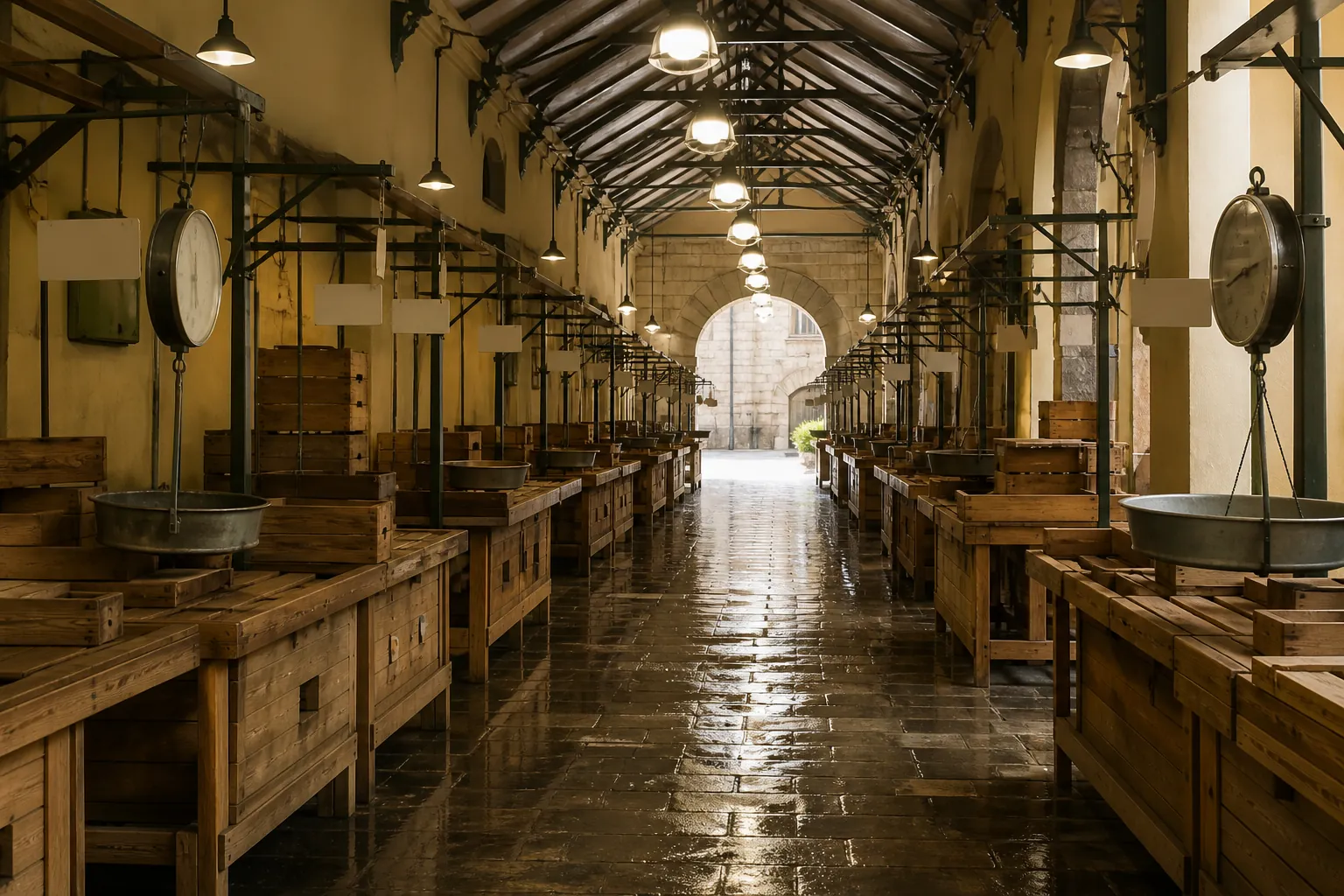
A roofed hall with numbered aisles. Locals often loop the whole floor before stopping, because the stall they want may sit two rows behind the one that faces the entrance.
Travel briefings for working halls
A neighborhood market is not a dining street. People come for groceries and a midday meal, and the order of the place is already set before you walk in.
We study that order: which row to walk first, whom to address, when to pay, where to stand when tables are full, and how to leave the tray. The aim is a first visit that does not slow anyone who lives there.
Central dining streets are built for visitors. A covered market, a row of neighborhood stalls, and a lunch counter beside them are built for the week: who wakes first, what goes home in a bag, who is allowed to step ahead in line, and which questions are ordinary.
That is why we treat these places as part of daily life, not as a tasting program. The difficulty is rarely the food itself. It is the sequence everyone around you already knows and nobody recites, because it feels too obvious to mention.
Our notes follow that sequence on each trip. We walk the hall before buying, watch who is spoken to behind the counter, and record when trays appear, when payment happens, and where people eat when seats have already gone. Those observations become briefings you can use, not a list of dishes to chase.
Covered halls, street rows, market canteens, and ready-food counters look different. The same quiet rules still apply: walk first, watch, then join the line that already exists.
A roofed hall with numbered aisles. Locals often loop the whole floor before stopping, because the stall they want may sit two rows behind the one that faces the entrance.
Open stalls along a lane. Some rows rest on certain weekdays. The visitor row and the neighbor row are rarely the same stretch of pavement, even when they sit a few steps apart.
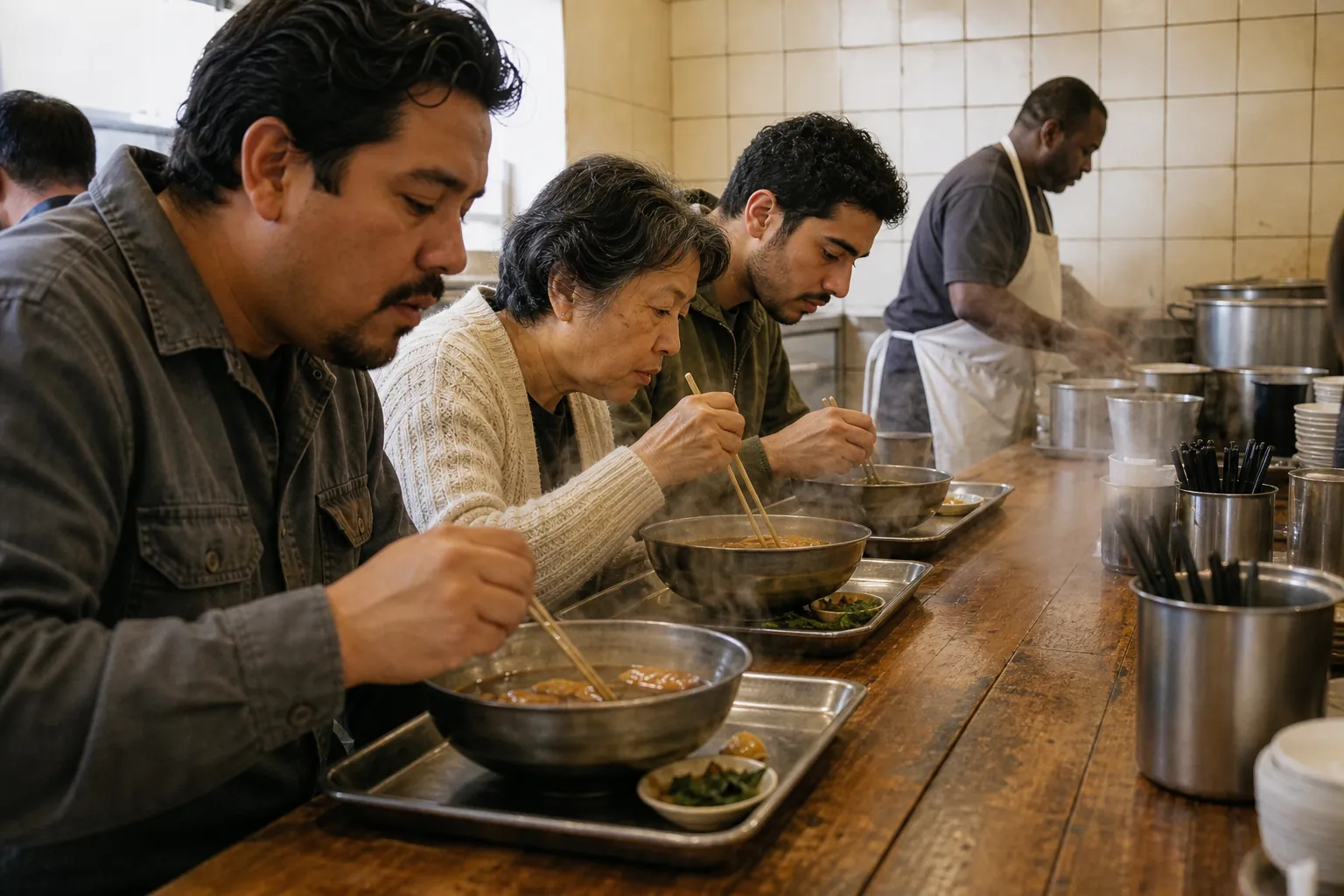
A room beside the stalls where trays, tickets, and a shared table replace a waiter. You collect the meal, pay when the house asks you to pay, and clear what you used.
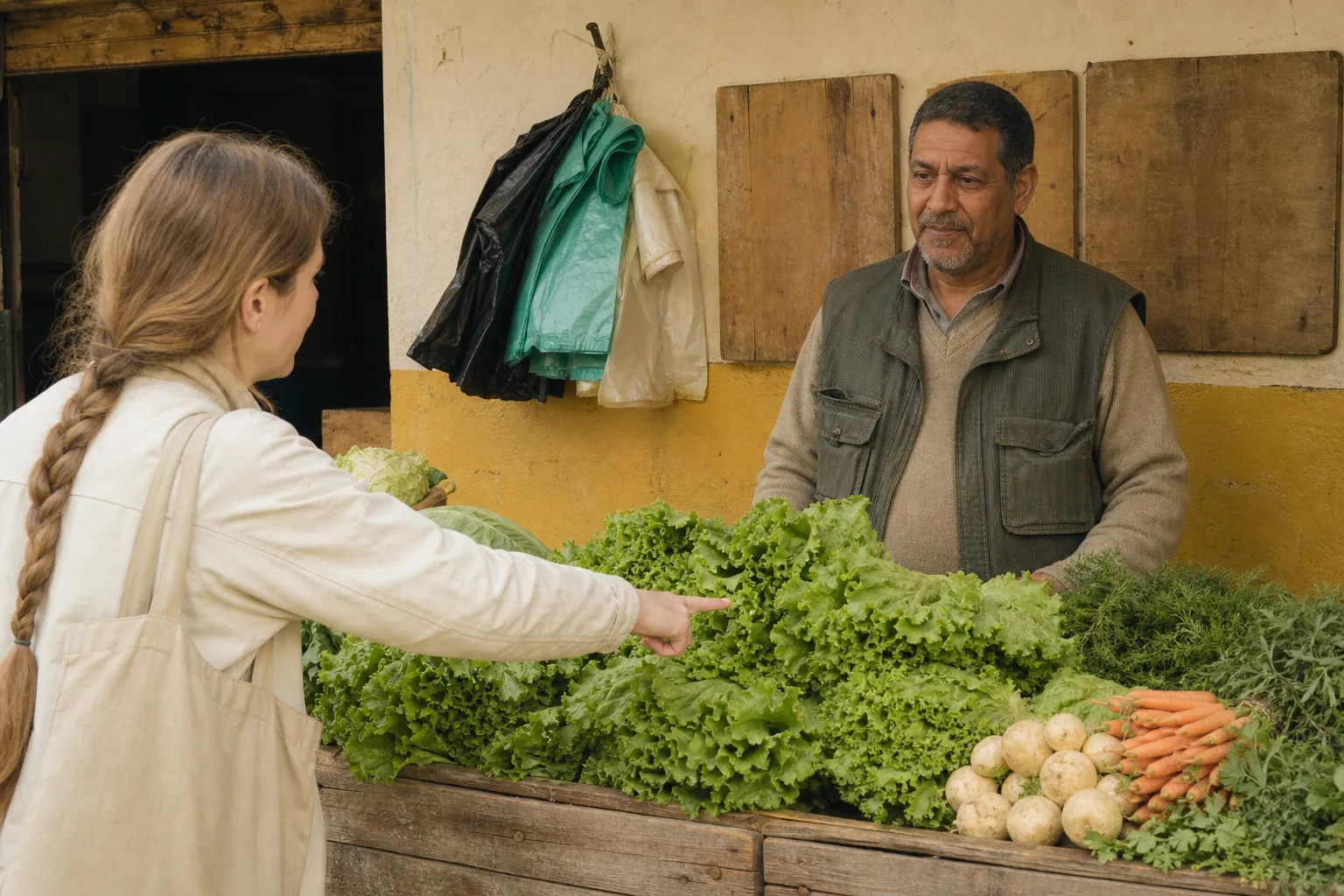
A stall that serves from pans already cooked. Pointing is normal. Hands on food are not, unless the seller places it there. The line is often a shoulder-width gap, not a painted mark.
These figures come from briefings we actually run: combined years on the floor, formats we compare in every consultation, and the steps first-time visitors most often skip.
14
Three consultants recording opening hours, queue shape, and tray habits across repeat visits.
4
Hall, street row, canteen, and ready-food counter, compared before we suggest a first stop.
9
From the first loop of the aisle to leaving the tray. Missing one of them is what slows the line.
2
Morning stock and afternoon remainder are not the same visit. First-timers usually belong to the earlier one.
Buyers learned it as children. You can learn it before you arrive, then copy what the line is already doing.
Arrive while neighbors are still shopping, not when the best of the morning has already left. A first visit belongs in a quieter hall, not in the row staged for cameras.
Watch who is actually being served. Address the person at the scale, not the helper packing bags. Wait to touch produce until a gesture invites you to.
Pointing at a pan or a pile is ordinary here. A long speech is not. Hold up the number you want, wait for a nod, and step aside to let the next person through.
Shared tables, standing counters, and takeaway bags each have a place. If seats are gone, standing is the rule. Watch where trays go before you invent a new pile.
Wide shots of an empty aisle are often fine. Faces, scales, and cash boxes are not. Asking before you lift the camera takes less time than being asked to put it away.
Locals look at turnover, steam, and who is waiting, not at a translated name. If a stall is quiet while the next one is busy, follow the busy one.
Each consultant enters working markets on every assignment, then turns those visits into briefings. We also compare notes with the Midlake Vendors Circle and the Harbor Hall Keepers, two practitioner groups that review opening patterns and visitor load.

Field observer
Certificate in Field Observation of Public Markets, Harbor and Hall Institute
Elena records how a hall actually opens: which shutters rise first, where the grocery line forms, and which aisle is only for neighbors. Her briefings start with a walking order, not a menu.

Route consultant
Neighborhood Foodways Planning Credential, Midlake Route Studio
Marcus builds the part of a trip that sits between lodging and the first meal. He matches a traveler's comfort with noise, standing, and language to a hall that will not punish a slow first loop.

First-visit coach
Practical Exchange without Shared Language, First Visit Coaching Guild
Priya drills the small gestures: pointing, waiting, paying, and stepping aside. She prepares people who have never stood at a shared table and do not want to invent a method on the spot.
These accounts describe ordinary trips, including noise, missing seats, and the relief of knowing where to stand.
Send the kind of hall you hope to enter, how comfortable you are with noise and standing, and whether this will be a first visit. We reply with a practical order of steps, not a list of dishes.
Request a Consultationfilibranch turns stall-side observation into briefings and personal consultations. We explain the working order of markets and everyday eateries so you can join it, then step out of the way.
filibranch provides knowledge about visiting working markets and everyday eateries, and offers consultations on this part of a trip. The materials on this site are meant to help you understand how these places operate and how visitors can move through them with care.
We do not give advice on diet, allergies, or health. If you have questions about what you can eat, speak with a qualified professional. Conditions on the ground change between trips: opening hours, which rows are trading, and local requirements should be checked again directly before you go.
You decide how to travel. filibranch is not responsible for choices you make after reading these pages or after a consultation. Use the guides as preparation, then confirm details with people on site.